Why Can a GDT Keep Conducting After a Surge?
A gas discharge tube (GDT) can finish diverting the specified surge and still remain conductive. Once the tube has fired...


A gas discharge tube (GDT) can finish diverting the specified surge and still remain conductive. Once the tube has fired...
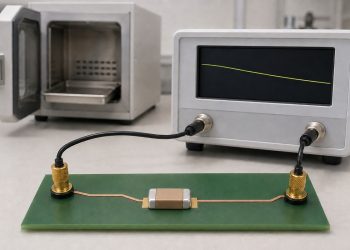
An MLCC that measures higher after reflow has not gained permanent capacitance. For a high-permittivity ferroelectric dielectric, a heat history...

If a datasheet states 1.25 per unit for 1 second, the duration and voltage reference are part of the rating....
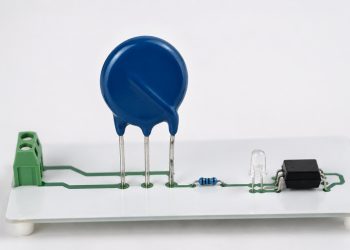
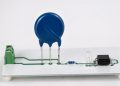
The third lead on a thermally protected metal oxide varistor (MOV) often invites the wrong first question. Designers ask whether...
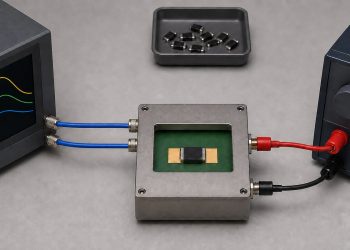
A ferrite bead can remain below its catalog current rating and still provide less useful impedance than the filter design...
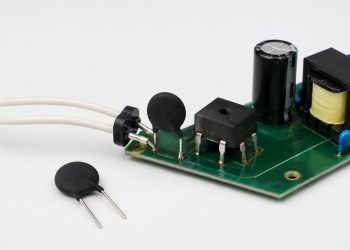
Does the 5 Ω, 10 Ω, or 20 Ω printed in an NTC inrush-current limiter's datasheet predict the voltage it...

Why can one gas discharge tube (GDT) have a DC sparkover voltage and a substantially higher impulse sparkover voltage? The...
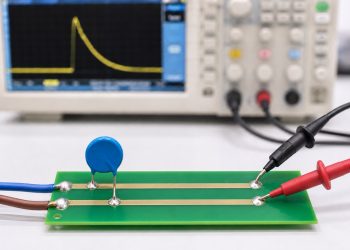
Why can the voltage at a protected circuit exceed the metal oxide varistor (MOV) clamping voltage in the datasheet? The...
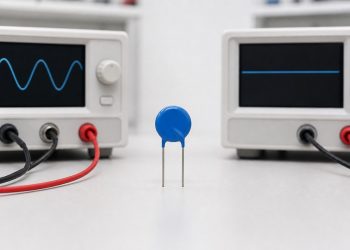
No. Dividing a metal oxide varistor's maximum DC operating voltage by √2 does not create an allowable AC rating. The...
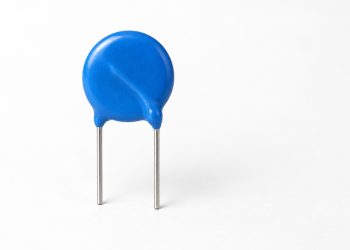
A leakage-current figure in an MOV datasheet is easy to misuse. A few microamperes can look like a fixed property...