
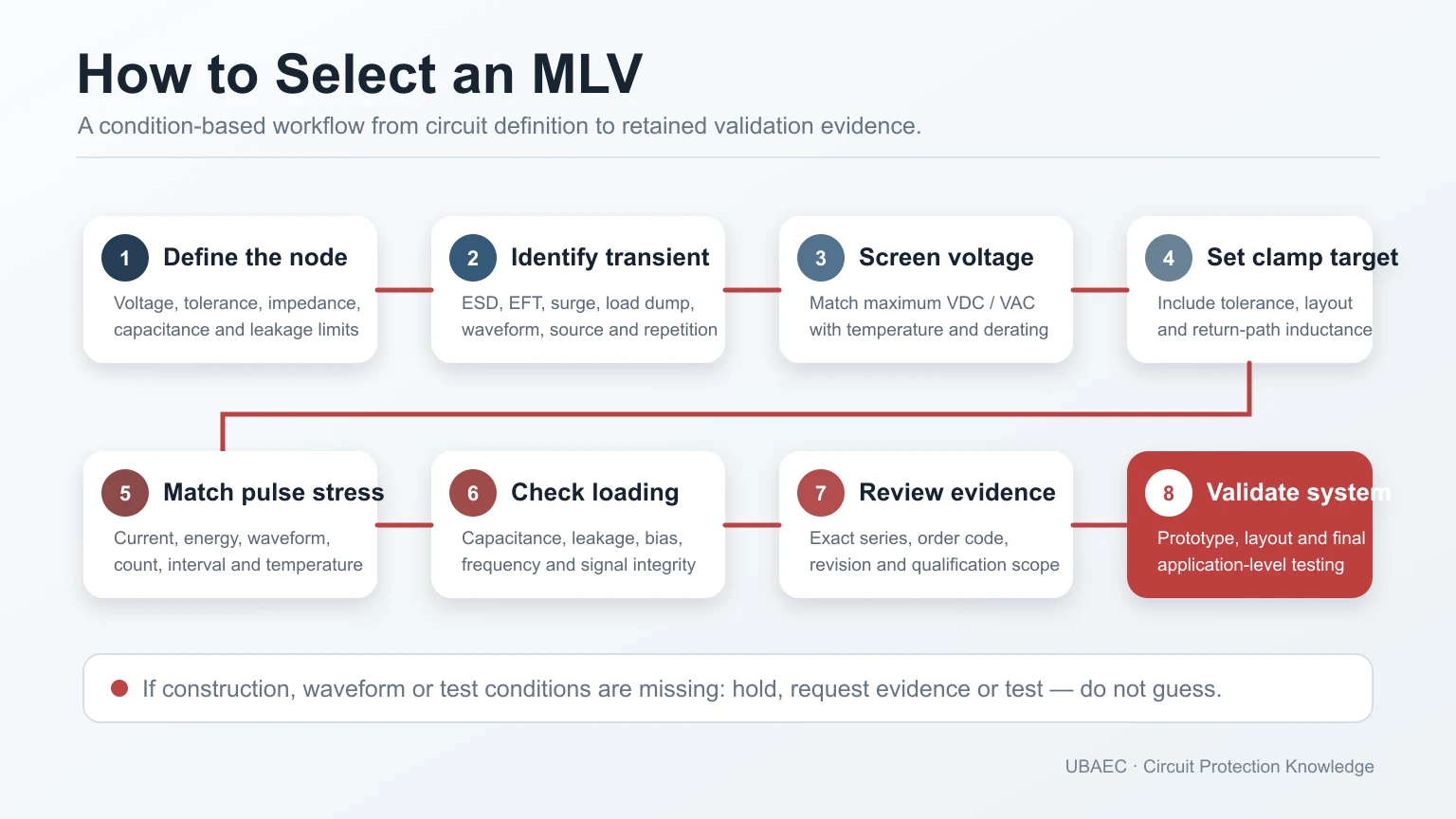
 Selection Path
MLV Selection and Applications
Connect working-voltage definitions, capacitance, clamping conditions and package choices to interface, power-rail and final-system validation.
- How to Select an MLV: A Practical Engineering Workflow
- MLV Datasheet Parameters and Test Conditions
- MLV Technical FAQ: Parameters, Selection and Reliability
- MLV vs TVS Diode: Comparing Protection Devices
- MLV vs Molded SMD MOV vs Disc MOV
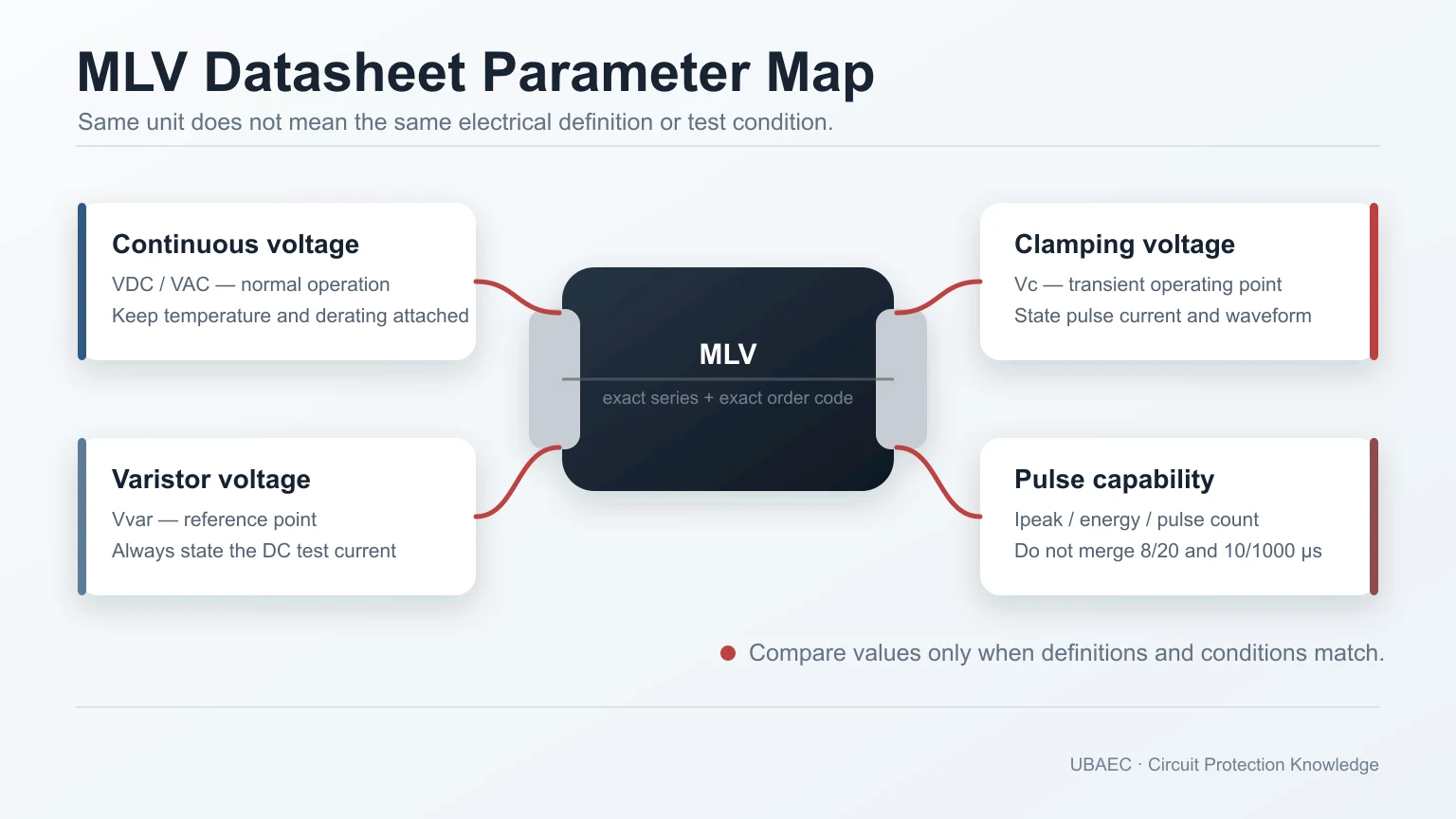 Technical Foundation
MLV Parameters, Structure and Reliability
Build a traceable technical foundation across material structure, parameter testing, PCB layout, assembly conditions and failure modes.
- How Multilayer Varistors Work
- MLV Materials, Microstructure and Manufacturing Overview
- MLV Terminology and Product Boundaries
- MLV Datasheet Parameters and Test Conditions
- MLV Arrays, Multielement Devices and Feedthrough Filters
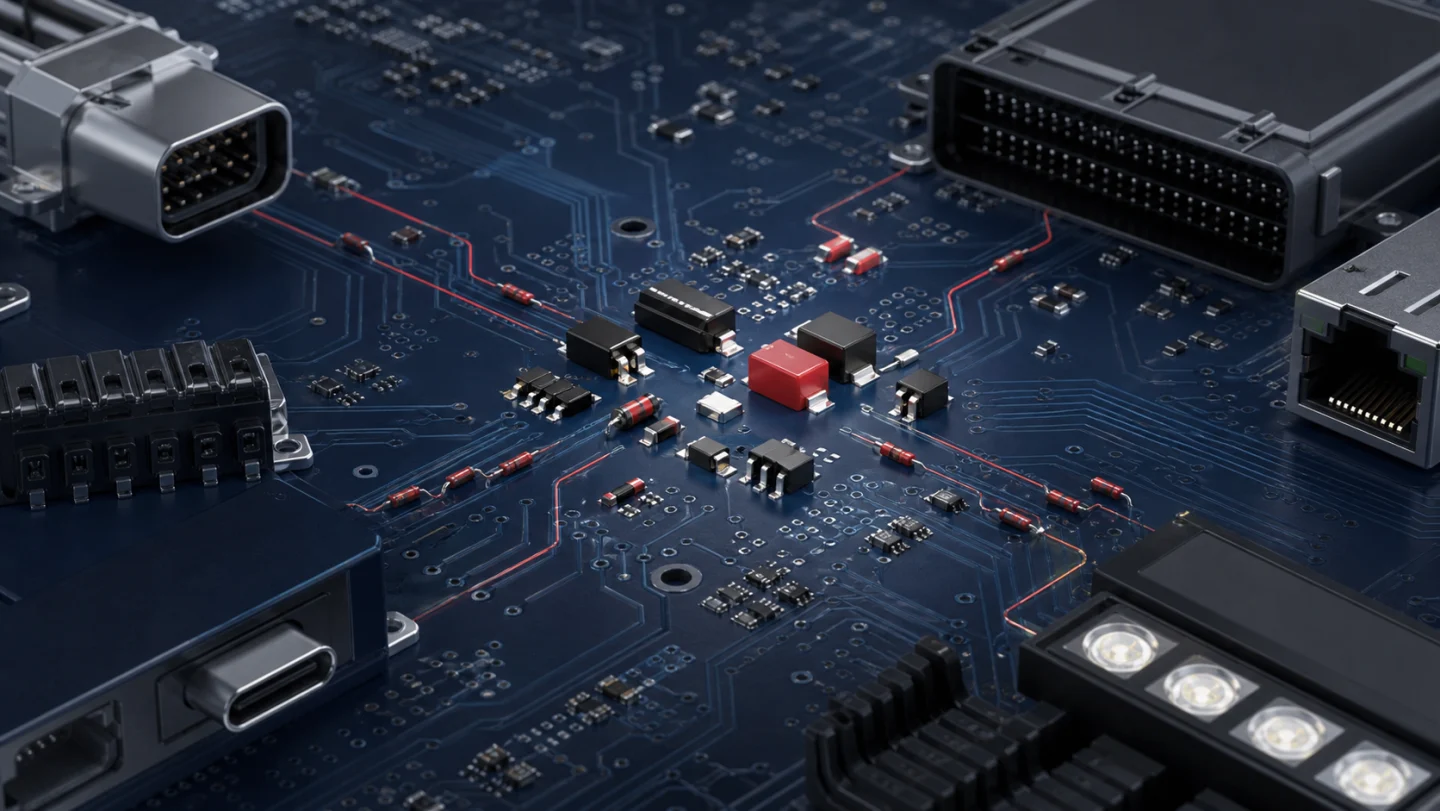 Application Topic
Automotive and Industrial Interface Protection
Place MLVs in CAN, RS-485, USB, audio or RF-adjacent nodes and DC rails by comparing working voltage, common-mode range, capacitance and return paths.
- Multielement MLV Protection for CAN and CAN FD
- MLV Protection for PLC and Industrial I/O: RS-485 Evidence Boundaries
- Automotive Electronics Protection Path
- Low-Capacitance MLV ESD Protection for USB 2.0
- Audio, Antenna and RF-Adjacent MLV Protection
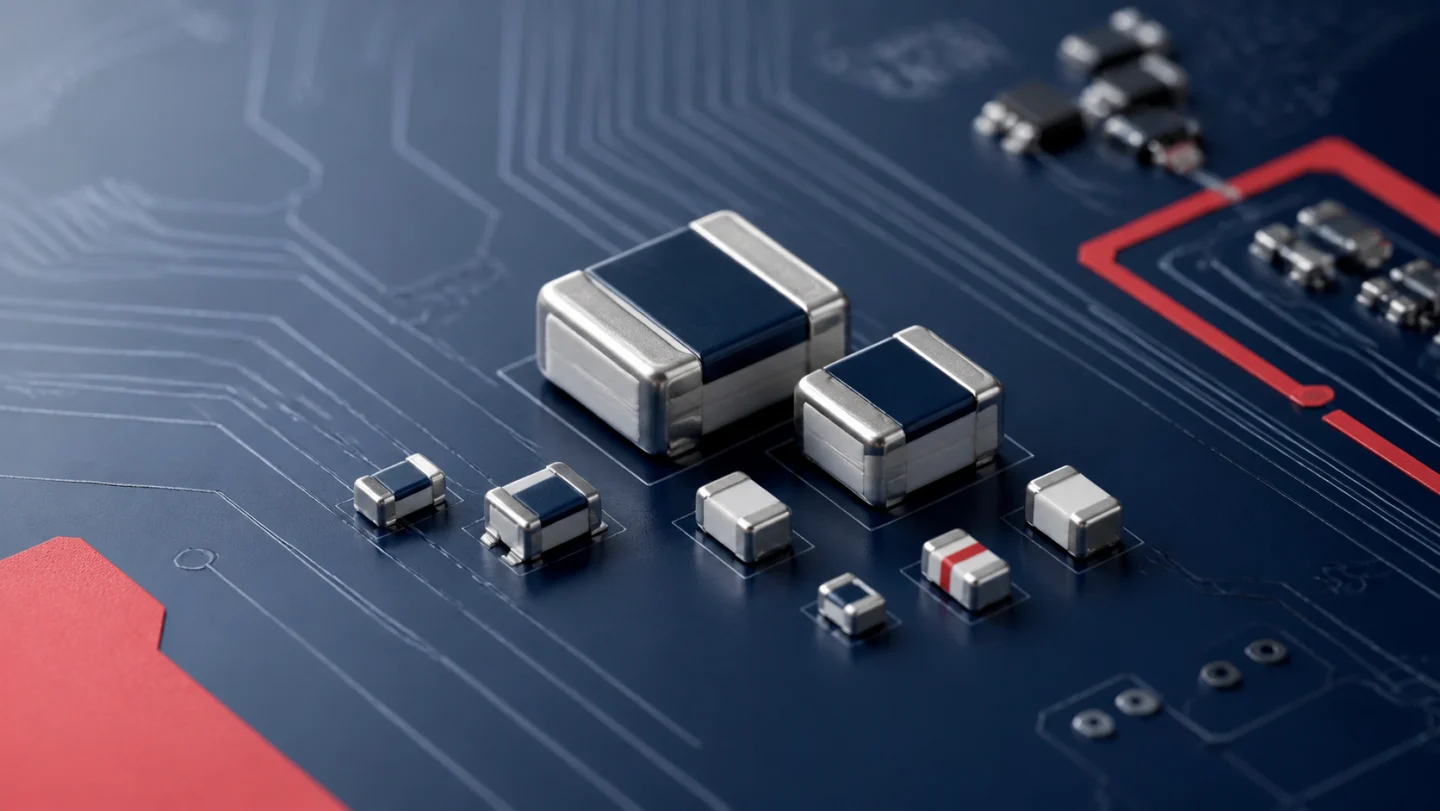 Research Topic
MLV Manufacturers and Cross-Reference Research
Use official sources, series status and complete order codes to structure manufacturer research, lifecycle checks and conditional cross-reference evaluation.
- MLV Manufacturer and Product-Series Research Map
- MLV Terminology and Product Boundaries
- How to Evaluate an MLV Cross-Reference Safely
- MLV Datasheet Parameters and Test Conditions
- MLV Reliability, Standards and Failure Modes